

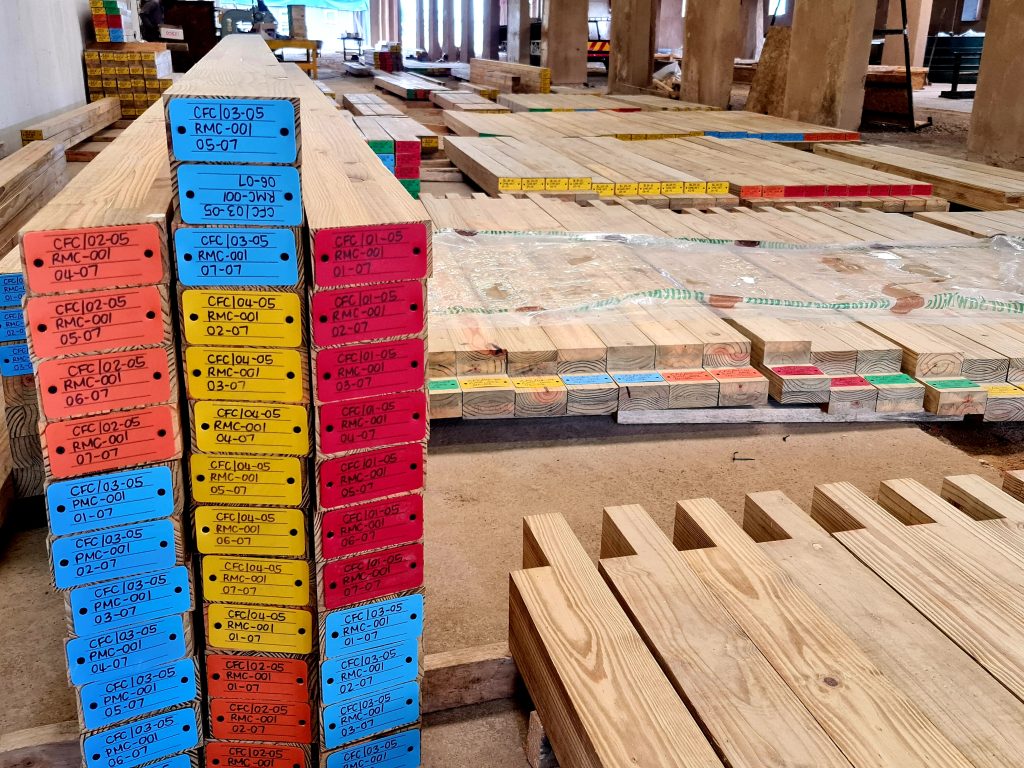
How Building More Timber Homes Can Boost the South African Economy
Timber Homes Strong Future Strong Economy reflects the growing need for better housing solutions in South Africa. The country requires faster building methods, more sustainable materials and more opportunities for economic participation. Because of this, timber homes offer a unique pathway to national growth. As the industry expands, it stimulates job creation, encourages local manufacturing and increases economic activity across multiple sectors.
Moreover, timber construction forms strong links between forestry, production, transport and on site labour. Therefore, when South Africa builds more timber homes, the entire value chain becomes stronger and more resilient.
For more information about timber construction methods, you can visit Green Block’s website at
https://greenblock.co.za
For additional global insight on sustainable timber, you can explore this independent resource:
https://www.thinkwood.com
Timber Construction Creates More Jobs
Timber construction uses a labour intensive method. Consequently, it creates employment for forestry workers, sawmill teams, carpenters, manufacturing staff and installation crews. In addition, it supports small businesses that cut, process and deliver materials. Because the process relies less on heavy machinery, more of the investment goes directly into human labour.
Furthermore, timber homes support entrepreneurship. Many small companies can participate in prefabrication, transport or site installation. As a result, the economy becomes more inclusive.
Training and Skills Development Increase Rapidly
Timber building systems are easier to learn than some traditional wet trades. Therefore, training new workers becomes faster and more effective. This opens the construction industry to more people and reduces barriers to entry.
In addition, training centres and industry associations continue to expand timber learning programmes. These programmes strengthen skills, improve safety and create long term career paths for workers. Because of this, communities benefit directly from better opportunities.
Local Manufacturing Gains a Powerful Boost
South Africa has an established forestry sector, and timber homes make full use of this strength. As demand increases, local sawmills, transport companies and manufacturing plants grow their operations. Consequently, communities near forestry regions benefit from more economic activity and better long term employment.
Moreover, sourcing materials locally keeps money inside the South African economy. This reduces reliance on imports and promotes national economic independence.
Faster Construction Improves Economic Performance
Timber homes can be built much faster than traditional brick structures. As a result, developers complete more projects in shorter periods of time. Faster construction increases productivity and reduces financial pressure on both developers and homeowners.
Additionally, because timber systems allow prefabrication, delays caused by weather are reduced. This further improves efficiency and economic performance.
Sustainable Timber Construction Attracts Investment
Sustainability has become a major global priority. Timber homes store carbon and reduce emissions, which positions South Africa as a responsible leader in modern construction. Therefore, expanding timber construction draws attention from investors who value environmental performance.
In addition, sustainable buildings improve public confidence. They demonstrate long term thinking and align with global green building standards.
Communities Benefit Through Localised Job Creation
Many communities are located close to forestry operations. Therefore, increasing timber home construction supports local economies directly. Workers can find employment in sawmills, transport, panel factories and on site construction.
Furthermore, timber projects often rely on local labour instead of specialised machinery. This helps communities grow skills and secure long term careers.
Timber Homes Support a More Affordable Housing Market
Timber homes offer cost effective building solutions. They require fewer heavy materials and less time on site. As a result, developers save on labour costs and project timelines. These savings can then be reinvested into additional housing projects.
Moreover, more affordable housing supports economic growth by improving access to quality homes and strengthening communities.
Conclusion
Timber Homes Strong Future Strong Economy represents more than a slogan. It reflects a real opportunity for South Africa to create jobs, grow skills and strengthen the national economy. As the timber construction industry expands, the country benefits from lower building costs, faster delivery, cleaner materials and stronger communities.
Because timber homes offer sustainable benefits and powerful economic advantages, they help build a better future for all South Africans.