

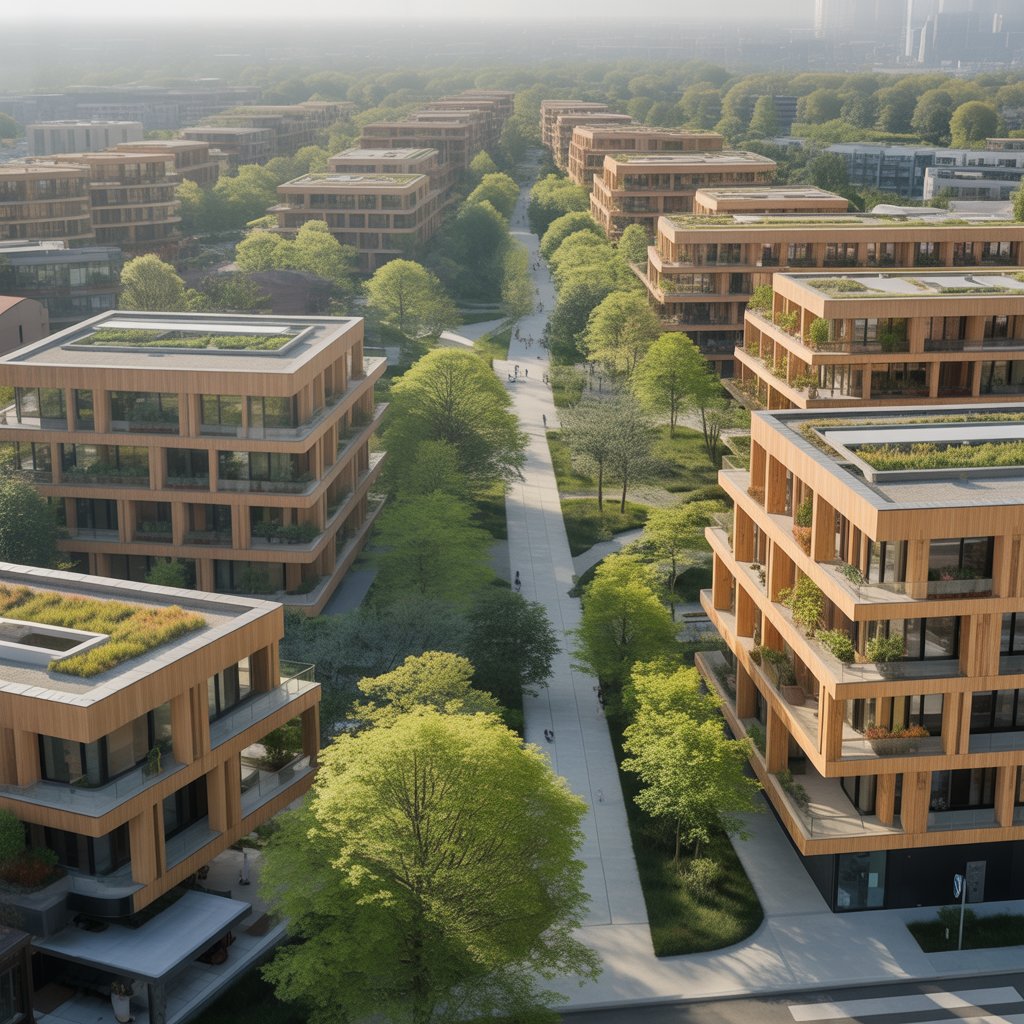
FSC timber plays a crucial role in sustainable building. Many people still confuse natural forests with timber plantations, which leads to unnecessary concern about deforestation. To clarify this topic, this article explains how natural forests differ from plantations and why FSC timber strengthens responsible construction in South Africa. As you read, you will see how each system works and how Green Block aligns with global sustainability standards.
Natural Forests: Protected, Diverse and Not Used for Building
Natural forests develop on their own over centuries. They include layered canopies, slow-growing trees and high biodiversity. Because these ecosystems support wildlife and store significant carbon, the South African government protects them. Consequently, the forestry industry does not harvest structural wood from natural forests.
Natural forests serve one purpose: ecological conservation. They remain untouched so that species, soil systems and hydrological cycles remain stable.
Timber Plantations: Renewable, Managed and Built for Supply
In contrast, timber plantations function like renewable crop systems. Foresters plant SA Pine, Eucalyptus or wattle specifically for commercial use. As the trees grow quickly, plantations deliver a reliable supply of construction wood. Importantly, plantations eliminate pressure on natural forests because they provide all the structural timber the market requires.
Plantations also operate under strict environmental management. For example, foresters monitor soil health, water use, firebreaks and biodiversity corridors. As a result, plantations supply high-quality wood while maintaining responsible land stewardship.
FSC Timber: The Global Standard for Responsible Forestry
FSC timber refers to wood that comes from forests certified by the Forest Stewardship Council. This certification confirms that the timber originates from responsibly managed plantations. Moreover, FSC standards protect communities, ecosystems and workers.
FSC timber ensures:
-
zero harvesting in protected natural forests
-
full traceability from seedling to final product
-
protection of water, soil and biodiversity
-
ethical labour and community upliftment
-
long-term sustainability of the forestry resource
Therefore, when Green Block selects FSC timber, the entire building process supports climate-positive outcomes.
Why This Matters for Construction
Timber remains the most renewable mainstream building material. When you choose FSC timber, you support lower carbon emissions, lighter structural loads and greener development. Additionally, each cubic metre of timber stores roughly one ton of CO₂, which means your building acts as a carbon bank.
Furthermore, timber’s strength-to-weight ratio reduces foundation size, improves transport efficiency and speeds up construction — all while reducing environmental impact.
Green Block’s Commitment to Certified Timber
Green Block uses FSC timber exclusively. This ensures every wall, beam and module aligns with global sustainability principles. Additionally, our hybrid building systems maximise timber’s performance while lowering construction weight and cost.
By choosing FSC timber, Green Block clients contribute to a future where buildings reduce carbon instead of adding to it.
Natural forests remain protected and untouched. Plantations provide renewable timber. FSC timber guarantees responsible management. When these systems work together, South Africa gains stronger ecosystems, lower carbon emissions and reliable building materials. Consequently, FSC timber stands out as the smart choice for sustainable construction — and the only choice for Green Block.
www.timberhome.co.za
www.timberhomeconstruction.co.za
www.timberhomeswesterncape.co.za