

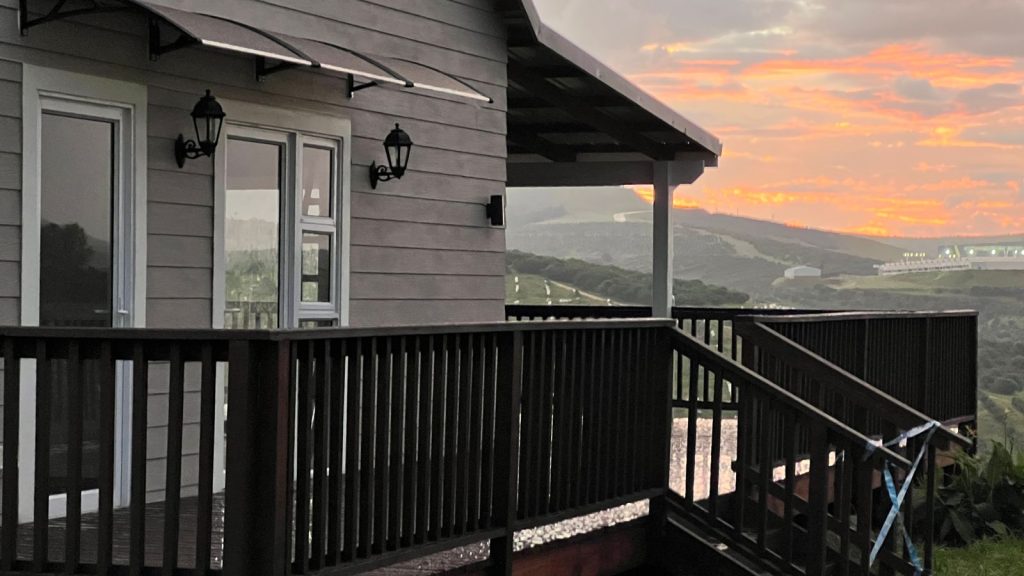
South Africa is facing a turning point in housing. Rising construction costs, urbanisation, and the urgent need for sustainable solutions are pushing builders and homeowners to rethink traditional methods. Brick and mortar may still be common, but timber and hybrid homes are rapidly proving themselves as the smarter, stronger, and greener choice for the future.
Cost Efficiency
The cost of traditional building materials has surged, putting conventional homes out of reach for many South Africans. Timber homes use less raw material while delivering the same structural strength. Hybrid homes, which combine timber with concrete and steel, reduce costs even further by using each material where it performs best. This efficient approach cuts both material and labour expenses, making high quality homes more affordable.
Speed of Construction
Timber and hybrid systems are designed for speed. Prefabricated panels, modular frames, and hybrid structural elements mean a home can be completed in weeks instead of months. In a country where housing demand far exceeds supply, faster construction without sacrificing quality is a major advantage.
Strength and Safety
Modern timber engineering is guided by international standards and local codes, making timber homes as safe as any brick structure. Hybrid systems go even further by combining the resilience of concrete and steel with the flexibility of timber. These homes are engineered to withstand fire, wind, and seismic stress while offering long term durability.
Sustainability
The call for greener building is no longer optional, it is essential. Timber is a renewable resource with a far lower carbon footprint than traditional masonry. When combined with insulation, solar systems, and energy efficient designs, timber and hybrid homes drastically reduce long term energy use. Building with wood not only stores carbon but also supports a shift to eco friendly housing that future generations will depend on.
Adaptability and Design Freedom
Homeowners today want houses that are not just functional but also beautiful and adaptable. Timber provides natural warmth and flexibility in design, while hybrid systems allow for larger spans, open plan living, and modern finishes. This combination offers the freedom to create homes that suit both lifestyle and budget without compromising aesthetics.
Meeting South Africa’s Housing Challenge
South Africa’s housing challenge requires solutions that are affordable, scalable, and sustainable. Timber and hybrid homes tick all three boxes. They can be built faster, cost less, perform better, and reduce environmental impact. As more developers, municipalities, and homeowners recognise these benefits, the demand for timber and hybrid housing will rise sharply.
The future of South African housing will not be defined by one material alone. Instead, it will be led by smart combinations and innovative methods. Timber homes and hybrid homes represent the best of both worlds: the sustainability of renewable resources and the strength of modern engineering. With their many advantages, it is clear they will dominate the next generation of new homes across the country.