

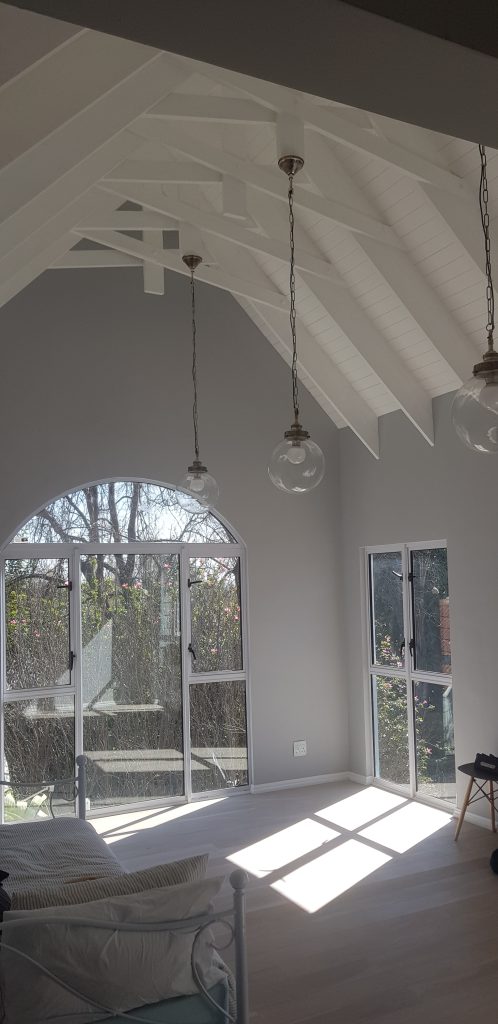
Many people notice something distinctive when they walk into a well-built timber home. The lines look sharper, the finishes appear cleaner and the overall feel seems more refined. Timber home finishes often achieve a level of precision that surprises homeowners who expect traditional construction to offer the best results.
Several factors explain this difference. Modern timber construction relies on engineered materials, precise manufacturing and stable structural systems. As a result, builders achieve exceptionally accurate finishes throughout the home.
Straight and Stable Structural Framing
The structural frame forms the foundation of every finish in a home. Walls that remain perfectly straight allow finishes such as drywall, cladding and cabinetry to align correctly.
Engineered timber framing offers this stability because manufacturers produce structural pine members with controlled dimensions and consistent strength. In addition, kiln drying removes excess moisture from the timber. Consequently the framing stays stable after installation.
When the structure remains straight, interior finishes follow the same alignment. Walls remain flat, corners remain sharp and joinery fits accurately.
Factory Precision Improves Accuracy
Many timber construction systems use prefabricated wall panels or structural components manufactured in controlled factory environments. This approach improves accuracy dramatically.
Factory production allows builders to use specialised equipment that cuts and assembles components with millimetre precision. Furthermore controlled environments reduce variables such as weather, uneven ground or inconsistent measurements.
As a result the structural frame arrives on site with extremely tight tolerances. Builders install finishes onto a structure that already aligns precisely.
Dry Construction Reduces Movement
Traditional masonry construction introduces large amounts of moisture into the building process. Concrete, mortar and plaster contain water that slowly evaporates as the building dries.
This drying process often causes movement in walls and finishes. Cracks in plaster, uneven surfaces and shrinking materials appear during this stage.
Timber construction uses far less wet material. Consequently the structure stabilises much faster and interior finishes remain consistent.
Timber Allows Precise Detailing
Architects and builders appreciate timber because it allows accurate detailing. Timber elements cut easily to exact sizes and angles. As a result joinery between structural elements, finishes and cabinetry can achieve tight tolerances.
For example
• Door frames align perfectly with walls
• Window reveals remain consistent
• Cabinetry fits cleanly against structural surfaces
These details contribute significantly to the overall perception of quality.
Lightweight Structures Reduce Structural Movement
Another advantage of timber construction involves structural weight. Timber homes weigh significantly less than masonry buildings. Consequently the structure places less stress on foundations and supporting elements.
Reduced structural stress leads to fewer cracks and less settlement over time. Interior finishes therefore remain stable and visually precise for many years.
Quality Control Happens Earlier in the Process
In many timber systems quality control begins before construction starts. Engineers, manufacturers and builders coordinate designs carefully before production begins.
This planning stage identifies potential conflicts between structural elements, services and finishes. Builders then resolve these details before installation.
As a result the final construction stage focuses on assembling well-prepared components rather than correcting mistakes on site.
Consistency Across the Entire Home
Precision does not appear only in isolated areas. Timber construction systems deliver consistent accuracy throughout the building.
Walls remain straight across long spans. Floors remain level across large rooms. Roof structures align perfectly with the supporting walls. Consequently interior finishes maintain consistent lines from one space to the next.
This consistency contributes strongly to the premium feel that many homeowners notice immediately.
Conclusion
Timber home finishes look exceptionally precise because the structure beneath them remains stable, accurate and carefully engineered. Factory production, kiln-dried timber and detailed planning all contribute to this result.
When builders combine these factors, they create homes with clean lines, tight detailing and durable finishes. The precision that homeowners see reflects the engineering and manufacturing discipline behind modern timber construction.
www.timberhome.co.za
www.timberhomeconstruction.co.za
www.timberhomeswesterncape.co.za