

A Story of Strength and Survival
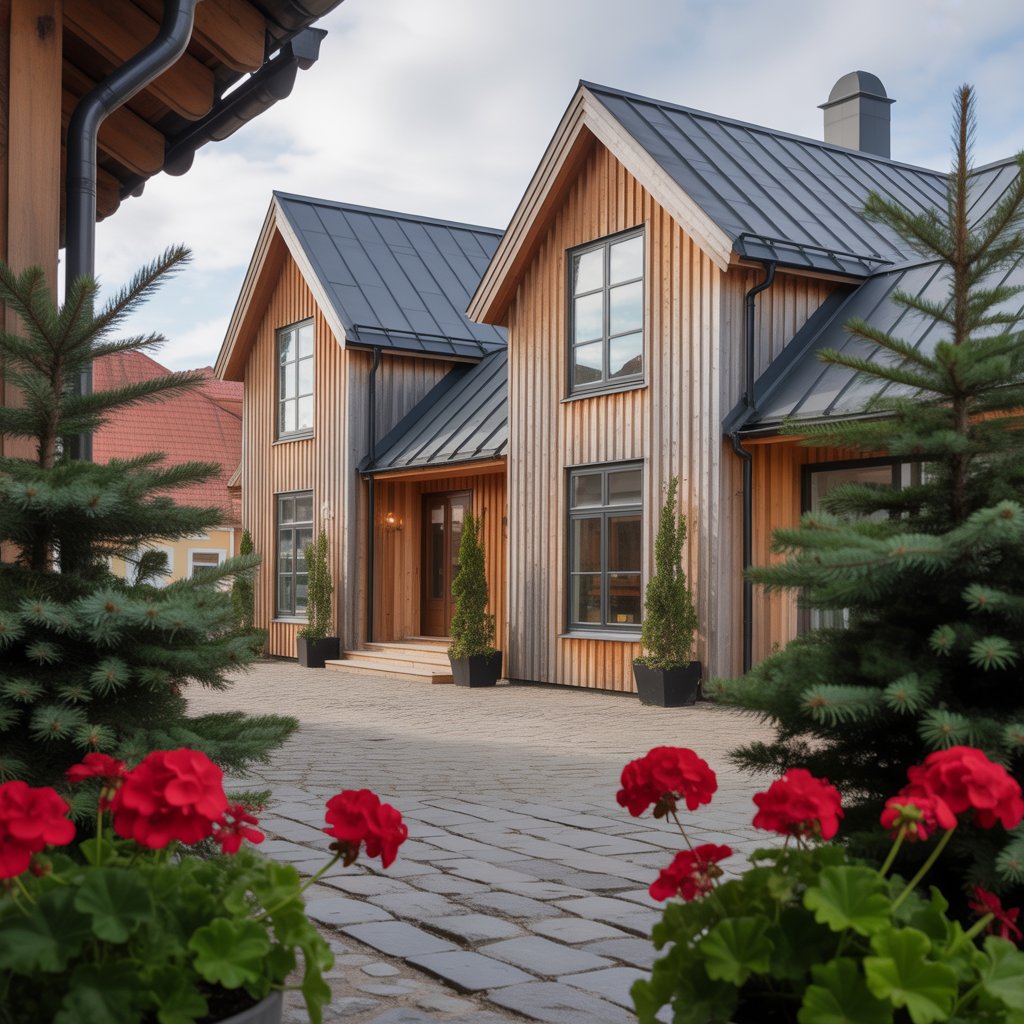
In a quiet town in Japan stands a modest timber home that tells an incredible story of strength and survival. When the ground began to shake during a powerful earthquake, homes built from concrete cracked and crumbled all around. Yet, remarkably, this small timber house remained standing — its frame bending and swaying but never breaking. So lets chat about The Timber House That Survived an Earthquake.
The Secret Behind Its Strength
The secret to its survival lay in the way it was built. The carpenters who designed it relied on traditional joinery techniques, allowing each beam and post to move just enough to absorb the earth’s powerful forces. Instead of resisting the motion, the structure worked with it. As a result, the house could flex and shift naturally without losing stability. The flexibility of timber made the crucial difference between ruin and resilience.
Ancient Wisdom in Modern Times
Japan has relied on this building method for centuries. Temples and shrines built entirely from wood have survived countless earthquakes that destroyed newer, heavier structures. The reason is simple yet profound. Timber is light, strong, and incredibly adaptable. It can absorb shocks that rigid materials like concrete or brick simply cannot handle. The wooden joints act like natural hinges, distributing stress evenly throughout the structure instead of letting it concentrate in one point of failure.
Engineering Meets Tradition
Today, modern engineers are combining this ancient wisdom with advanced technology. In places such as New Zealand and British Columbia, architects are designing next-generation timber buildings that can endure even the strongest seismic activity. They use engineered timber products like laminated beams, cross laminated timber (CLT) panels, and precisely engineered metal connectors. These innovations allow the structure to move safely and predictably when the ground shakes — ensuring both strength and flexibility. Moreover, these modern techniques do not just replicate traditional methods; they enhance them. By blending craftsmanship with science, engineers are redefining what timber construction can achieve in the face of natural disasters.
Built to Protect, Built to Last
When the shaking finally stopped that day in Japan, the little timber home still stood firm. Inside, the walls had shifted slightly, but the frame remained intact. Most importantly, the family inside walked out unharmed. The house had done exactly what it was designed to do — move, flex, and protect its occupants.
A Lesson from Nature
The story of that home is more than an anecdote about survival; it is a lesson in design and respect for nature. Timber does not resist the forces of the earth — it flows with them. This natural harmony gives wood a unique kind of strength, one that rigid materials can never replicate. Ultimately, this balance between flexibility and endurance makes timber one of the most resilient building materials ever known. It reminds us that true strength often lies not in resistance, but in adaptability — and that the homes of the future may find their greatest power in the wisdom of the past. So that’s the story of The Timber House That Survived an Earthquake