

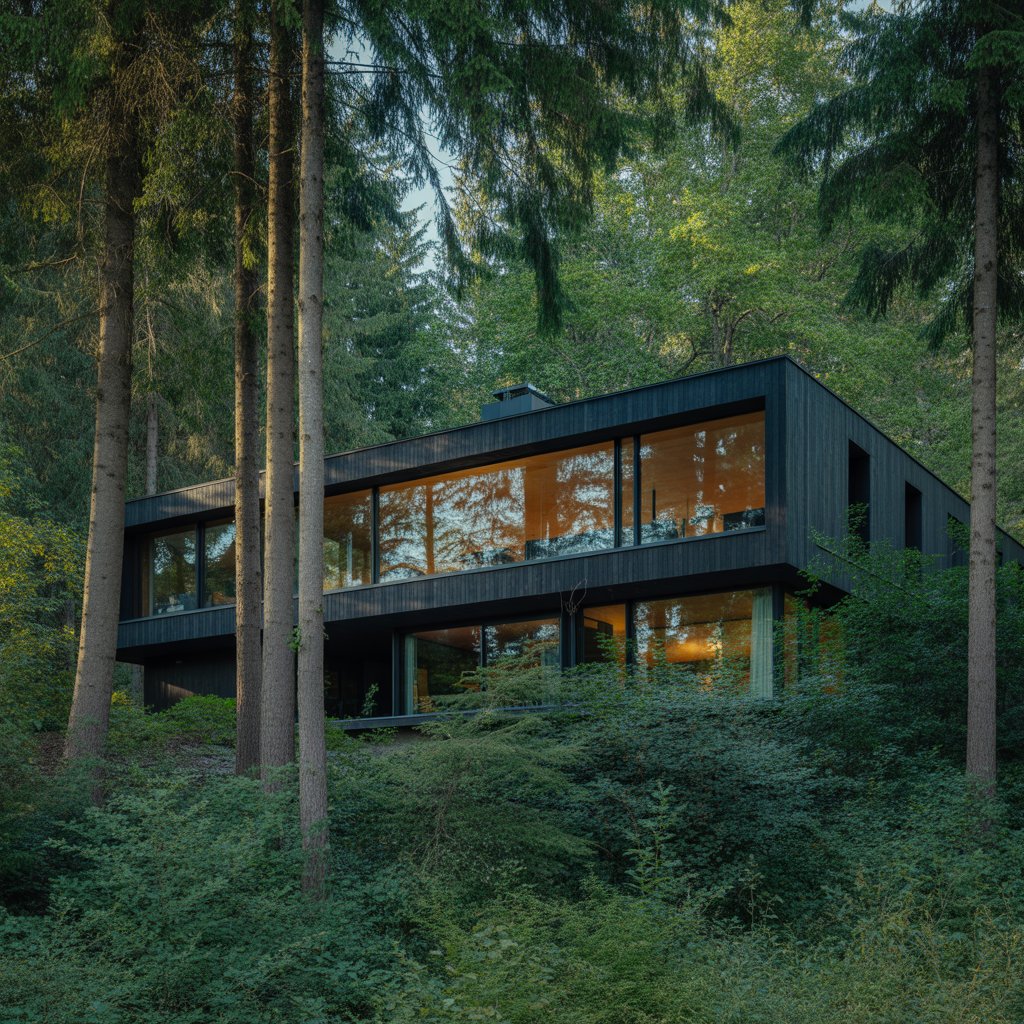
Timber Home Myths Debunked
Timber homes are gaining popularity for their natural beauty, energy efficiency and sustainability. Yet, despite these advantages, many people still believe outdated myths that prevent them from seeing the true value of modern timber construction. Let’s uncover the most common misconceptions and reveal the facts that prove timber homes are strong, safe and built to last, and we can get those timber home myths debunked.
Myth 1: Timber Homes Burn Easily
One of the oldest myths about timber homes is that they are a fire hazard. This belief stems from the idea that wood is a flammable material. However, modern timber homes are designed and treated to meet strict fire safety standards.
When exposed to fire, large timber sections form a protective layer of char on the outside, which slows down the burning process and protects the inner structure. In fact, engineered timber such as CLT (Cross Laminated Timber) and glulam beams can outperform steel in certain fire conditions because they maintain structural integrity for longer periods. With proper treatment and design, timber homes are as safe as any other building type.
Myth 2: Timber Homes Don’t Last Long
Another common misconception is that timber homes deteriorate quickly. The truth is that well-built and properly maintained timber structures can last for centuries. Many historic wooden buildings in Europe, Japan and even South Africa are hundreds of years old.
Modern timber is kiln-dried, pressure-treated and designed to resist rot, insects and moisture. With today’s advanced construction techniques and finishes, a timber home can easily outlive a brick or concrete structure, provided it is maintained like any other home.
Myth 3: Timber Homes Are Not Strong Enough
People often assume that timber homes are weak or can’t withstand harsh weather. In reality, timber’s strength-to-weight ratio is exceptional. Structural timber absorbs and distributes loads efficiently, making it perfect for seismic zones and high-wind areas.
Engineered wood products such as laminated beams and trusses add even more strength and stability. Timber homes can endure storms, heavy snow and earthquakes far better than many expect. The flexibility of wood also helps absorb energy from natural forces rather than cracking or collapsing.
Myth 4: Timber Homes Are Difficult to Insulate
Many still believe timber homes are not energy efficient. In fact, timber is a natural insulator. It keeps interiors warm during winter and cool during summer by reducing heat transfer through walls.
Additionally, modern insulation materials and airtight construction methods further boost energy performance. Timber homes often achieve better thermal ratings than traditional brick or concrete homes, helping homeowners save significantly on energy costs.
Myth 5: Timber Homes Are Bad for the Environment
Some critics argue that using timber harms forests and contributes to deforestation. However, the opposite is true when timber is sourced responsibly. Sustainable forestry ensures that every harvested tree is replaced, and managed forests actually absorb more carbon as they regrow.
Timber homes also store carbon within their structure, reducing the overall carbon footprint of the building. Compared to concrete or steel, which require high energy to produce, timber construction supports a greener and more sustainable future.
Myth 6: Timber Homes Require Too Much Maintenance
It’s often said that timber homes need constant care. In truth, maintenance requirements are no greater than those of other materials. Proper design, overhangs and protective finishes minimize exposure to moisture and sunlight.
Regular inspections and simple treatments every few years keep the exterior looking new and structurally sound. Much like painting or sealing a brick or plastered wall, maintaining a timber façade is straightforward and manageable.
Timber Homes Are the Future of Sustainable Living
As construction evolves, timber homes stand at the forefront of sustainable, durable and efficient design. The myths surrounding timber are rooted in outdated thinking, not modern science. By understanding the facts, homeowners can embrace a building solution that is eco-friendly, cost-effective and timelessly beautiful.
Timber isn’t just a material—it’s a lifestyle choice that blends nature, comfort and modern engineering into one harmonious home.