

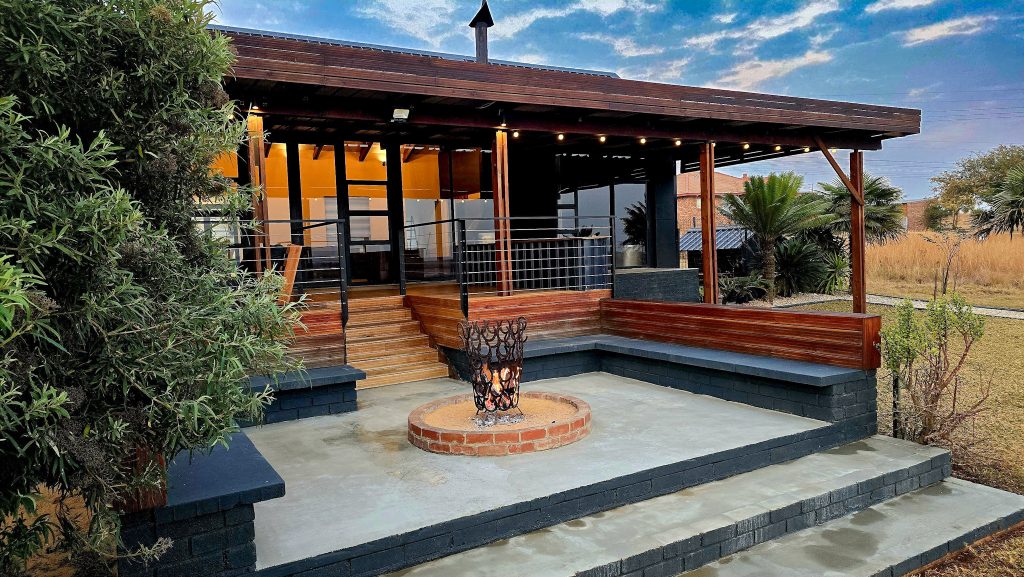
Ancient Strength Hidden in Plain Sight
It might sound surprising, but some of the oldest buildings in the world are made of wood, not stone or brick. Across Norway and Japan, entire structures built from timber have stood firm for centuries, facing rain, wind, snow, and sun with quiet strength and enduring beauty. So Why Your Timber Home Could Last 1,000 Years, But Your Brick One Won’t?
Norway’s Enduring Wooden Churches
In the rugged mountains of Norway, the famous stave churches rise tall with dark wooden walls that have survived since the early medieval era. These incredible structures were built entirely from pine — carefully shaped, seasoned, and joined without the use of modern nails.
Moreover, the builders of that era truly understood how to work with wood, not against it. They lifted the walls off the ground using stone foundations, allowing air to circulate underneath and moisture to escape naturally. Because of that simple yet brilliant design choice, the churches have avoided rot for nearly a thousand years. Centuries later, those same walls still stand, strong and straight, testaments to craftsmanship that valued patience over speed.
Japan’s Living Temples of Timber
Meanwhile, in Japan, temples like Horyu-ji tell the same extraordinary story. Built long before modern technology, they have faced earthquakes, typhoons, and countless seasons of change. Yet they remain standing.
Japanese carpenters mastered the art of precision joinery — interlocking wood without nails or glue, allowing each beam and post to move ever so slightly. This flexibility means the buildings sway during earthquakes rather than shatter. The secret, once again, lies in balance. Where brick or stone would crack under stress, wood flexes and recovers, maintaining its strength through motion.
What Modern Science Confirms
Today, modern research finally supports what ancient builders already knew. When timber is protected from standing water and allowed to breathe, it doesn’t weaken — it grows stronger. Over time, the outer surface of wood forms a natural barrier, hardening against decay and resisting damage.
Furthermore, timber’s cellular structure gives it a unique ability to manage moisture, maintaining internal stability even in fluctuating climates. This living quality is what sets wood apart from almost every other building material on Earth.
Why Brick Fails Where Timber Prevails
By contrast, materials like brick and concrete often struggle against nature’s constant movement. Once water seeps in, cracks form, and over time those cracks widen with each freeze and thaw. Timber, however, adapts. It bends instead of breaking, shifts instead of splitting, and returns to shape once stress passes.
That resilience is precisely why the world’s oldest surviving man-made buildings in harsh climates are not made of brick or concrete — but of wood.
Timeless Principles That Still Work Today
A well-built timber home today follows the exact same principles that kept those ancient structures alive for centuries. Raised foundations keep moisture away. Proper ventilation allows the structure to breathe. Protective coatings shield it from UV and rain. Together, these details ensure that timber remains stable, strong, and beautiful for generations to come.
Living in a Legacy of Strength
When you live in a timber home, you become part of a long and proud tradition of building that connects the natural world with human craftsmanship. Every wall tells a story of balance, resilience, and timeless design — proof that when treated with respect, wood can truly outlast brick. And that is Why Your Timber Home Could Last 1,000 Years, But Your Brick One Won’t.