

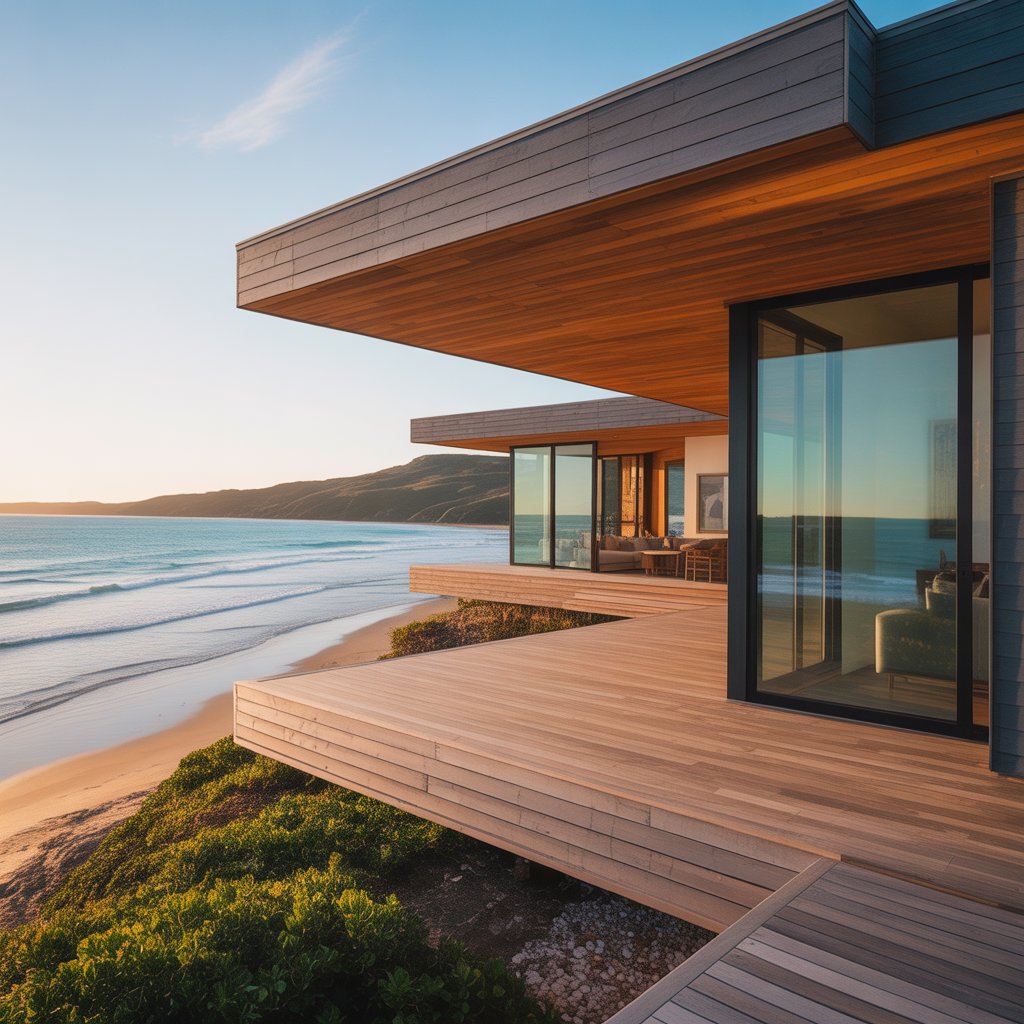
A Global Connection Built from Wood
If you look across cities, villages, and mountains from Japan to Canada, one thing quietly connects hundreds of millions of people: timber. There are an estimated one hundred eighty million timber homes standing across the world right now. In other words, that’s almost one for every forty people on Earth — an incredible global footprint built from one of nature’s most timeless materials.
An Ancient Material with a Modern Purpose
At first, this might surprise anyone who still thinks of timber as old fashioned or fragile. However, in truth, wood is one of the most advanced and sustainable materials ever used in construction. When paired with modern engineering and design, it becomes stronger, lighter, and more efficient than most traditional materials. From ancient temples in Asia to high tech homes in Europe, timber has proven again and again that flexibility, strength, and sustainability can live harmoniously under one roof.
Timber Around the World
Across the world, the popularity of timber construction continues to grow. In Japan, for instance, most detached houses are made of timber. Similarly, in North America, the majority of homes — from small forest cabins to sprawling suburban estates — are built primarily from wood. Meanwhile, Europe is quickly catching up, with a surge in timber frame and cross laminated timber (CLT) construction. In addition, countries like New Zealand and Australia continue to rely on wood as the natural choice for safe, efficient, and earthquake resistant homes.
The World’s Invisible Forest
When you put all these buildings together, you start to see what could be called an invisible forest made of homes. This global forest grows every single day as architects, engineers, and homeowners rediscover what ancient builders already knew: timber lasts, breathes, and adapts beautifully to its environment. As a result, this quiet movement is reshaping construction in ways few materials ever could.
Strength in Lightness
Beyond its natural beauty, modern timber construction offers an impressive combination of strength and lightness. Engineered wood products such as glulam and CLT can handle immense loads while remaining lightweight and adaptable. In contrast, materials like concrete are rigid and heavy, often cracking under stress. Timber, on the other hand, flexes and absorbs movement, making it ideal for regions prone to earthquakes or strong winds. Moreover, every cubic meter of wood locks away approximately a ton of carbon, turning timber homes into living carbon banks that actively help fight climate change.
The Future Is Rising Fast
Even more importantly, the global trend toward timber construction is accelerating rapidly. As governments and developers invest in greener cities, timber is emerging as the fastest growing building material of the decade. Around the world, multi story wooden buildings now rise proudly in places like Norway, Canada, and the United States — proving that the future of architecture can be sustainable, strong, and natural all at once.
A Movement That’s Just Beginning
Every new timber home contributes to a global movement that is quietly transforming the way humanity builds. Step into any wooden house today, and you are standing inside a symbol of progress — part of a worldwide shift that began centuries ago and now extends to the cutting edge of design and sustainability. Consequently, timber construction is no longer a niche; it is the blueprint for the next generation of housing.
A Future That Smells of Pine
Ultimately, the future of housing might already be here. It is lighter, cleaner, and more sustainable than ever before — and yes, it just happens to smell faintly of pine.