

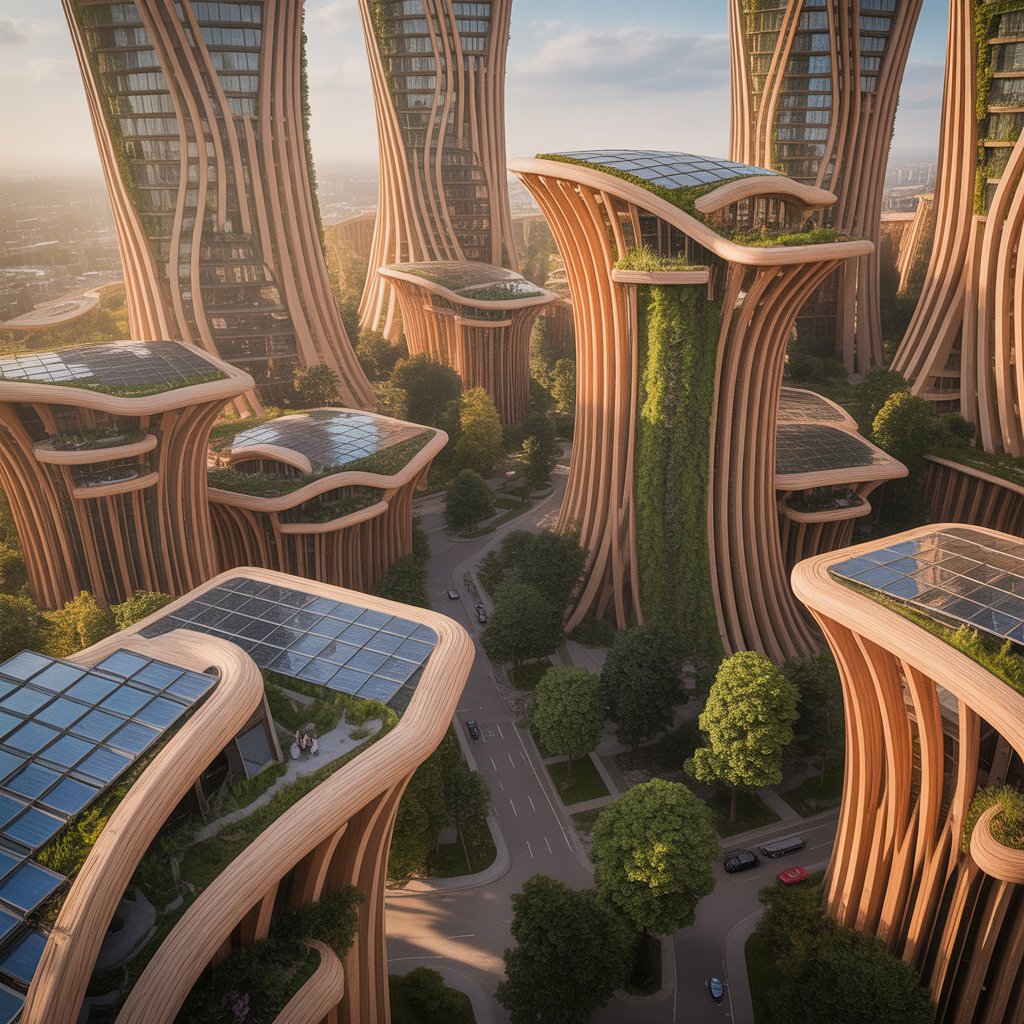
The timber construction industry 2026 outlook signals a decisive shift in how buildings are designed, manufactured, and delivered. Rising environmental pressure, cost volatility in traditional materials, and advances in engineered timber systems are accelerating this change.
For developers, contractors, and policymakers, timber is no longer an alternative material. It is increasingly a strategic choice. In this article, we examine the forces shaping timber construction in 2026, the opportunities emerging across residential and commercial sectors, and the challenges the industry must address to scale sustainably.
The Current State of the Timber Construction Industry
The global timber construction market enters 2026 with strong long-term fundamentals. Demand continues to rise for engineered timber systems, particularly in residential, mixed-use, and institutional buildings.
Although some regions face slower construction activity, timber maintains momentum due to its speed of construction and lower embodied carbon. As a result, timber is increasingly specified at early design stages rather than value-engineered later.
In South Africa and similar markets, timber housing is gaining traction as developers seek faster delivery cycles and predictable cost structures.
Key Forces Shaping Timber Construction in 2026
Several forces are driving the industry forward:
-
Sustainability targets are pushing low-carbon material selection
-
Rising concrete and steel costs improve timber competitiveness
-
Faster build times reduce financing and programme risk
-
Urban densification increases demand for lightweight systems
Together, these factors position timber as a core structural solution rather than a niche product.
How Technology Is Changing Timber Construction
Technology continues to reshape how timber buildings are designed and produced. Prefabrication now dominates modern timber construction workflows.
Digitally modelled timber frames, mass timber panels, and modular wall systems reduce onsite labour and improve quality control. In addition, CNC manufacturing allows for tighter tolerances and repeatability at scale.
As digital design integrates with factory production, timber construction becomes more predictable, bankable, and scalable.
Building Codes and Compliance Considerations
Regulatory frameworks are evolving to accommodate taller and more complex timber buildings. Updated fire, acoustic, and structural provisions have reduced historic barriers to mass timber adoption.
In South Africa, alignment between SANS standards, engineering practice, and insurer requirements remains critical. Projects that integrate compliance from the outset experience fewer delays and lower approval risk.
As codes mature, timber will increasingly compete directly with concrete and steel across more building typologies.
Where the Biggest Opportunities Lie
The strongest growth opportunities in 2026 are expected in:
-
Residential housing and estates
-
Affordable and social housing programmes
-
Education and healthcare facilities
-
Commercial and mixed-use developments
Timber’s speed, sustainability, and design flexibility make it particularly attractive in cost-sensitive and programme-driven projects.
Challenges the Industry Must Address
Despite its advantages, the timber construction industry faces several constraints:
-
Timber pricing volatility linked to global supply chains
-
Skills shortages in specialised timber erection and detailing
-
Limited local manufacturing capacity for engineered products
However, these challenges can be mitigated through local manufacturing, workforce training, and early supply chain engagement.
What This Means for Developers and Builders
For developers and builders, 2026 is a year of strategic positioning. Timber construction rewards those who plan early, integrate design with manufacturing, and align sustainability with commercial outcomes.
Firms that invest in systems, skills, and partnerships will benefit from faster delivery, lower risk, and stronger environmental credentials. Timber is no longer experimental. It is a mature, competitive construction system.
Conclusion
The timber construction industry 2026 outlook is defined by opportunity, not uncertainty. Sustainability pressure, technological maturity, and changing regulations are pushing timber into the mainstream.
While challenges remain, the direction is clear. Timber construction will play a central role in the future of housing and commercial development. Those who adopt it strategically will lead the next phase of the built environment.